

The Liniger Center on Franchising’s minor is open to all DU undergraduate students
Many people correlate franchises and fast food restaurants. While they’re not wrong (there are over 200,000 fast food restaurant franchises in the U.S.), people are often surprised to learn that their hair salon, dog groomer, gym or other service-based business might be a franchise.
“Whether they want to own a business or work within one, many people find rewarding careers in franchising by benefiting from the structure, support and scalability of the franchise model, said Kevin Betts, senior executive director of the Daniels College of Business’ Liniger Center on Franchising.
That’s why Betts and the University of Denver have unveiled a new academic minor, open to undergraduate students from all levels and fields of study who want to learn about the opportunities available in franchising.
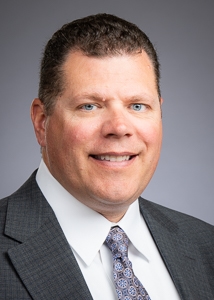
Kevin Betts
DU’s Daniels College of Business cut the ribbon on the Liniger Center on Franchising in 2022, thanks to a gift from Dave and Gail Liniger—the co-founders of RE/MAX who share a passion for lifelong learning and franchising success.
To date, the Liniger Center has mainly provided workshops and seminars to industry professionals seeking to deepen their knowledge and skills in franchise management. Launching the new Franchise Business Management minor this fall was the first step in a plan to expand franchise education across the University of Denver.
The content “reaches across the university, allowing people who are getting exercise science degrees or music degrees to learn a model they can use to monetize their passion,” Betts said.
Senior strategic communications major Ethan Babil is one of 23 students enrolled in Betts’ first core class, Introduction to Franchising. Babil started his first venture at age 13 and launched a second business as a freshman, offering laundry services to fellow college students. He is now exploring venture capital and mergers and acquisitions (M&A) and saw an opportunity to learn something “completely different” with franchising.
“Franchising was a model I’ve never seen nor learned nor heard about,” Babil said. “In just the first three classes, I’ve learned that instead of taking a [new] company from 0 to 100, you could buy into a cash-flowing company and take it from 100 to 200. Franchising fits that M&A model but it’s also its own model, which is quite unique and very interesting to learn about.”
The franchise minor includes 24 credit hours for non-business majors and 16 credits for business majors, who already complete two of the required foundational classes in their programs. Coursework covers the structure, strategies, legal foundations and interdependent systems driving franchise business growth, including the journey from startup to exit, the path from business idea to first sale, and a choice of elective “Sprints” ranging from accounting, finance and branding to negotiations, emotional intelligence and data visualization.
Entrepreneurship@DU has offered one-credit, one-day Sprints since 2022. Though franchising and entrepreneurship have their differences, there’s also quite a bit of crossover and collaboration between the two Daniels programs.
“When people think ‘entrepreneurship,’ they often assume they have to own a business. And while franchise founders and franchisees do own their businesses, every franchise company also employs marketing professionals, lawyers, accountants, finance teams, operations leaders, real estate experts and construction managers,” Betts said. “So you don’t have to be a business owner to learn and benefit from the franchise model.”
Entrepreneurial-minded students who want to learn the basics of franchising can also pursue a specialization in franchising tied to the entrepreneurship minor. This is Babil’s path.
In both the full franchise minor and the specialization within entrepreneurship, students can expect to gain an in-depth understanding of the franchise model, often referred to as a “system of systems” that powers thousands of successful brands across hundreds of industries.
In Introduction to Franchising, students are researching and evaluating an actual franchised business to learn the process of evaluating a brand and finding a good fit. Franchisor and franchisee guest lecturers also will help students learn the roles and responsibilities on both sides of the business model.
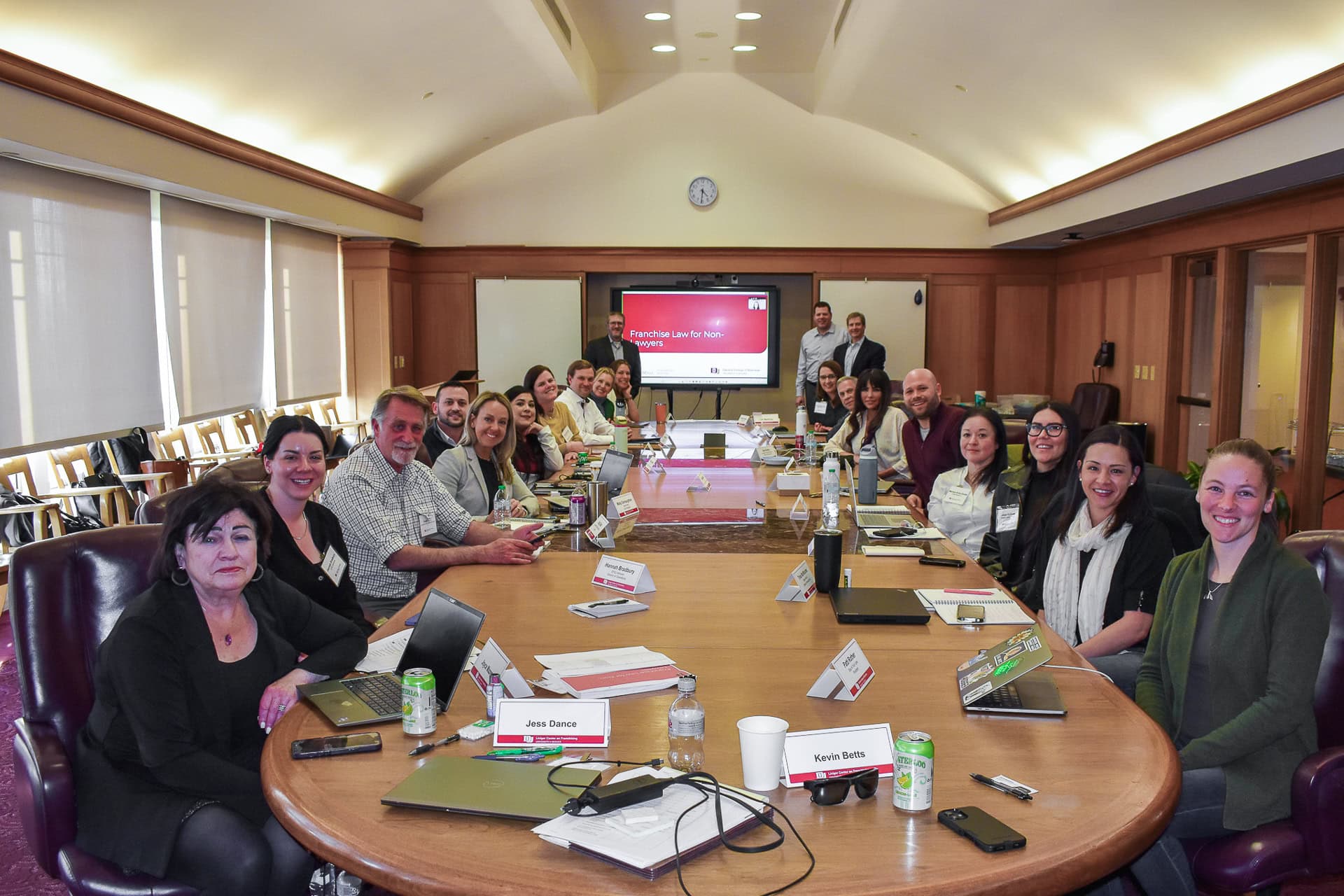
To date, the Liniger Center has mainly provided workshops and seminars to industry professionals seeking to deepen their knowledge and skills in franchise management.
Betts hopes to expand the Liniger Center’s academic programming to graduate students and will continue offering executive education classes for industry professionals. The Liniger Center is an academic affiliate of the International Franchise Association, offering credit toward the Certified Franchise Executive (CFE) designation to professional workshop participants.
“About 85% of our participants in those workshops are flying in from out of state. It’s become a popular topic for many people,” Betts said.
Liniger is housed within The Hub, a new home for the College’s specialized centers and programs: Entrepreneurship@DU, the Sales Leadership Center, Leadership in the Outdoor Recreation Industry and the Bailey Program for Family Enterprise.
“It’s really exciting because there’s so much synergy across all of our programs,” Betts said. “Rather than row independently, we can come together and do both curricular and noncurricular activities. This will open up [what we are doing] to new audiences and open existing audiences to new things.”