

Each week, Daniels is featuring a researcher who conducts meaningful research that impacts their field and the wider community. Learn more about their work in Q&As with the Daniels Research team and email them to nominate yourself or a colleague for a future Q&A.
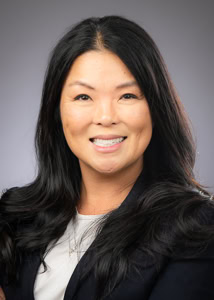
Elaine Richards is an assistant professor of the practice in the Department of Management at the Daniels College of Business. She currently teaches undergraduate and MBA classes in leadership and technology. Elaine brings extensive leadership experience from various industries, having held executive roles in operations, sales and marketing. Elaine studies how leaders shape culture and performance amid shifting work models and emerging technologies. Her recent work examines how CEOs make decisions about remote and hybrid work—and what these choices reveal about values, trust and organizational identity.
I’m interested in how teams work, how leaders shape culture and performance, and how the very nature of work is changing. Lately, I’ve focused on how remote and hybrid work affect people and organizations, and I’m now exploring how artificial intelligence is changing work itself. There’s a lot of excitement about AI, but we still don’t know what it really means for leadership, organizational design, and people’s engagement and motivation. I want to help separate the hype from the substance—how these technologies will actually impact daily work.
I spent much of my career leading growth-stage technology companies. During the pandemic, I watched leaders struggle—very publicly—with questions like: How do you lead when presence doesn’t equal productivity? How do you build trust when you don’t see your team every day? These weren’t just logistical problems; they were human ones. That realization inspired my dissertation and continues to shape my work with executives today.
What has some of your past research looked like?
Earlier, I studied how organizations implement big strategic changes and what that means for leadership. One project, “Implementing the Challenger Sales Model at Cars.com,” examined how adopting a new sales approach reshaped team behavior, management style and culture. That experience taught me that change initiatives aren’t just about process or structure—they’re about people, power and how leadership actually shows up day to day. Those lessons set the stage for my current focus on how CEOs make decisions about remote and hybrid work.
How do you integrate your research into practice?
I teach leadership, digital transformation and organizational behavior at Daniels and bring the theories to life with real examples from my experience and research. My students analyze live business issues, test leadership frameworks in case-based scenarios and reflect on how their choices affect teams. I also work with companies seeking the right work model, connecting strategy and culture. There’s a constant back and forth between what I study, what I teach and what I see in practice.
I want to close the gap between research and practice—giving business leaders evidence-based insights instead of the latest “one great story.” Those stories can be inspiring, but they’re not always repeatable. My goal is to promote research that’s practical and timely so leaders can make smarter, more grounded decisions about strategy and management.
What are you working on now?
I’m studying how leaders make decisions about remote and hybrid work—and what shapes those choices at the top of organizations. I’m especially interested in how CEOs interpret uncertainty, balance trust and control, and use policy decisions to express their values. These decisions are rarely just operational. They’re personal, symbolic and tied to how leaders see their credibility. The same external pressures or data can lead to very different choices depending on a leader’s worldview and past experience. Even if you think the remote work question has been settled (I don’t), the patterns we’re seeing can help explain how leaders navigate complex, ambiguous challenges more broadly—from layoffs to sustainability goals to new technologies.