

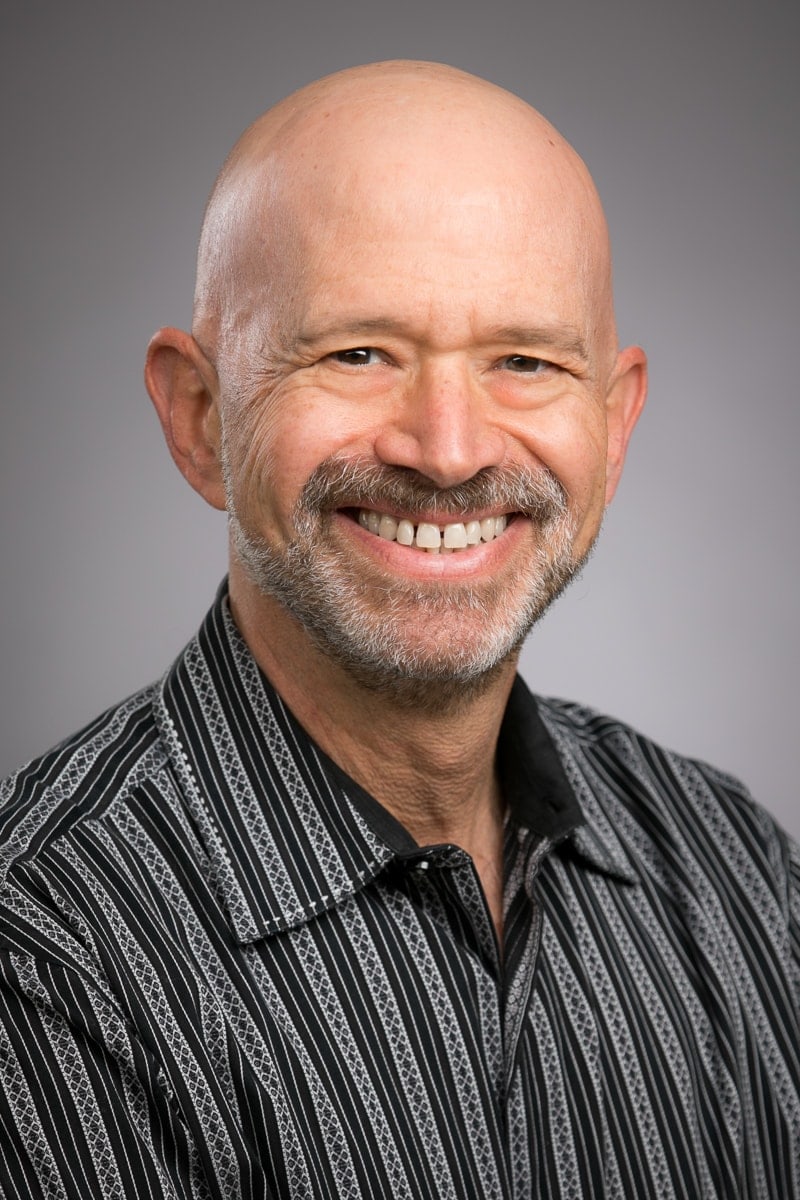
David Corsun
Each week, Daniels is featuring a researcher who conducts meaningful research that impacts their field and the wider community. Learn more about their work in Q&As with the Daniels Research team and email them to nominate yourself or a colleague for a future Q&A.
David Corsun is director of the Daniels College of Business’ Fritz Knoebel School of Hospitality Management and a professor since 2007. After receiving his PhD in 1999 from Cornell University’s School of Hotel Administration, Corsun was named assistant professor at Washington State University. After a year in Washington, he moved to the University of Nevada, Las Vegas, and was subsequently named associate professor and coordinator of international relations for the University’s Harrah College of Hotel Administration. Dr. Corsun also held academic positions with Cornell University and New York University while a graduate student.
What do you study?
I’ve always been fascinated by the human side of organizations—how people work together, how leaders influence culture and how values shape the experience of both employees and customers. In general, I aim to understand how leadership and organizational culture impact people’s experiences at work and the overall effectiveness of organizations. I focus on the hospitality industry because it offers a rich context for studying the interplay between service, culture and human connection. Hospitality is unique in that the quality of an organization’s culture directly shapes how guests experience service—it’s an immediate, visible reflection of leadership and values in action. My research is grounded in hospitality, but the lessons apply far beyond—to any industry where human relationships, meaning and purpose drive performance.
How has your research evolved over time?
When I first started, I was primarily interested in how leaders communicate expectations and motivate teams. Over time, my work has expanded to examine the systems and structures that support or inhibit great leadership. I’ve looked closely at how organizational culture evolves—how it’s transmitted, reinforced and sometimes disrupted by changes in leadership or market conditions. What I’ve found is that leadership and culture are inseparable. They evolve together, and both are central to shaping how people feel about their work and their sense of purpose within it.
What projects are you working on now?
Recently, I’ve been working on projects that explore how hospitality organizations can create environments that prioritize employee wellbeing and sustainable performance. One project examines how leaders’ emotional intelligence and empathy influence team resilience and engagement. Another looks at how hospitality education can better prepare future leaders to build inclusive, ethically grounded workplaces. Across these projects, I’m interested in practical applications—how research can directly inform leadership development, management training and organizational design.
What’s next for your research?
I’m currently exploring how the hospitality sector can evolve to meet new social and economic realities. The pandemic accelerated changes that were already underway—new labor dynamics, shifting guest expectations and a greater emphasis on wellbeing and purpose. I want to understand how organizations can adapt not just operationally, but culturally—how they can reimagine what it means to be a great place to work and a great place to serve others. This means focusing even more on leadership behaviors that foster belonging, empowerment and authenticity.
What impact do you hope your research has?
I hope my research encourages leaders to see organizations as communities of people, not just systems of production. If I can help shift the mindset from managing for efficiency to leading for human flourishing, that’s meaningful impact. My goal is to contribute to organizations that are not only more effective, but also more humane—places where people can grow, connect and find a sense of purpose in what they do every day.