

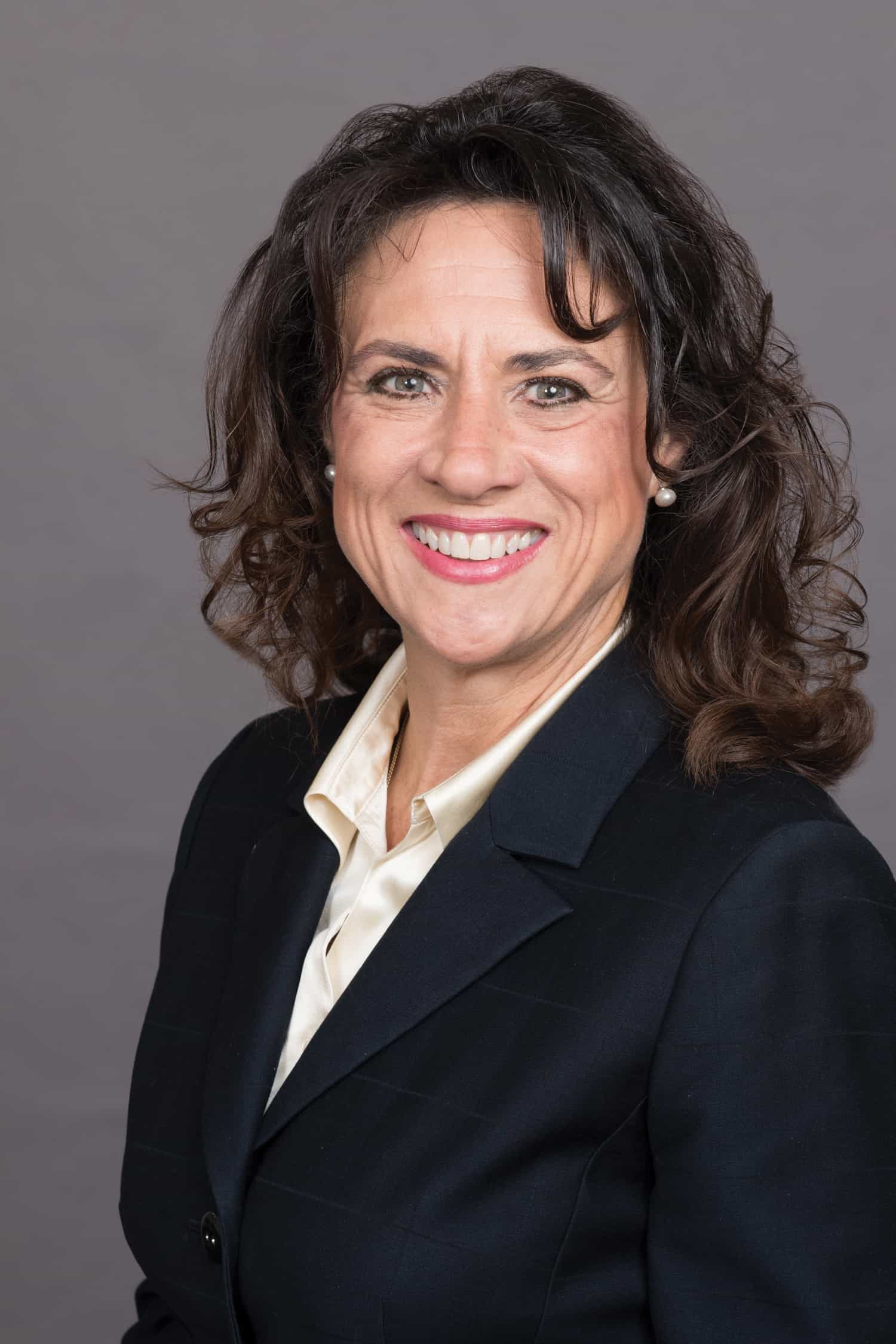
Featured Teacher
Tamara Hannaway, teaching associate professor in the Department of Business Information and Analytics, is dedicated to fostering deep learning and critical thinking among her students. She views engagement as a transformative process, helping students shift from passive receivers of information to active, critical thinkers. Her approach encourages students to take ownership of their learning through hands-on projects and discussions that challenge their assumptions and encourage self-reflection.
Defining Engagement: A Transformative Experience
Tamara defines student engagement as the process of shifting students’ thinking from an initial, limited understanding to a deeper, more complex comprehension. “Engaged learning is about helping students learn to think critically, not just memorize facts,” she explains. For Tamara, engagement is not about surface-level participation but about cultivating students’ ability to reflect on their learning process. “When students are engaged, they are learning how to learn,” she adds. Her goal is to help students build confidence in their ability to think critically and tackle complex problems.
Strategies for Engagement: Active Participation and Ownership
To promote engagement, Tamara uses several strategies. One is giving students time to prepare before discussions. “I announce that I’ll be calling on people, giving them 5-10 minutes to reflect on the topic before they speak,” she explains. This approach ensures that even shy or less confident students have time to gather their thoughts, leading to more inclusive and diverse contributions.
A key assignment in her courses is the infographic project, where students choose a topic they are passionate about. “Initially, students worked with external data, but they weren’t engaged. Allowing them to pick topics they care about made a huge difference,” she says. This change led to more thorough, creative and personally meaningful projects.
Reflective Practice: Adapting for Greater Impact
Tamara is constantly reflecting on her teaching methods. For example, in her graduate-level economics class, she shifted from providing current events to having students bring in their own articles. “This approach sparked more civil discourse and allowed students to engage with real-world data,” she says. By making students responsible for sourcing material, she fostered a more dynamic, student-driven learning environment.
Looking Ahead: Long-Term Engagement
Tamara encourages students to connect what they learn to their future careers. “I want them to reflect on how their critical thinking skills will apply in life and work,” she says. By helping students learn how to think critically, Tamara ensures that the impact of their engagement extends far beyond the classroom.